
Every year on 4 October, the world comes together to celebrate World Animal Day, a…
Wildlife Wednesday – The king of the Jungle: Lions
There is just something magical about sitting in the bush at dusk watching a pride of lions coming to life. The yawns and the licking of the paws and of each other, the soft noises and then suddenly the roars of the males in the distance followed by the females of the pride answering the calls of the Dominant male coalition. Seeing the pride getting up, starting the hunt, driven by hunger and the need to feed the pride watching them take down anything from a small impala to a large Buffalo. Raw nature that changes your life forever.
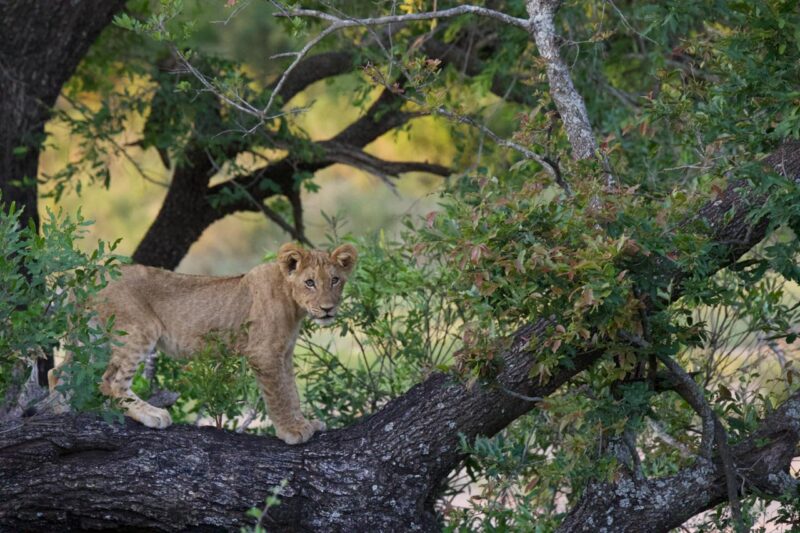
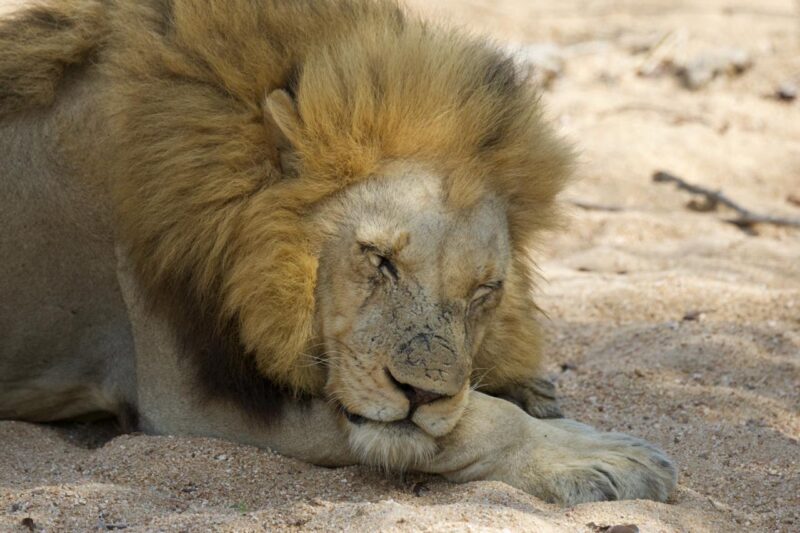
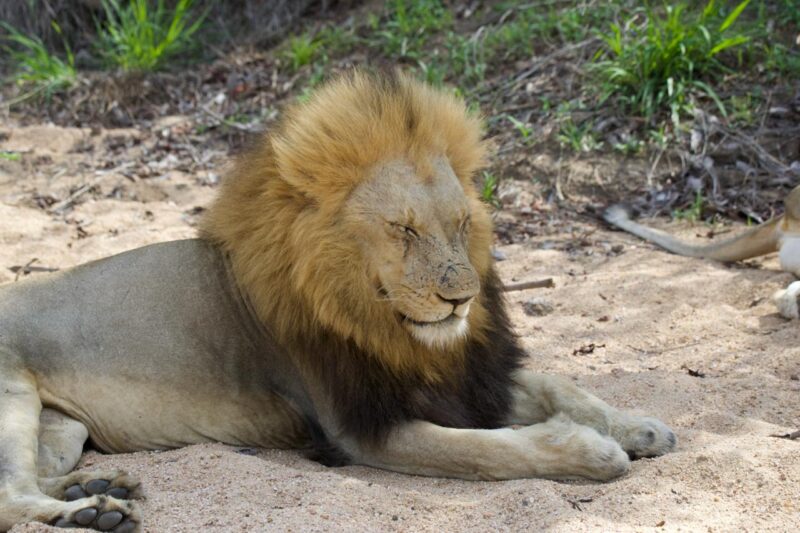
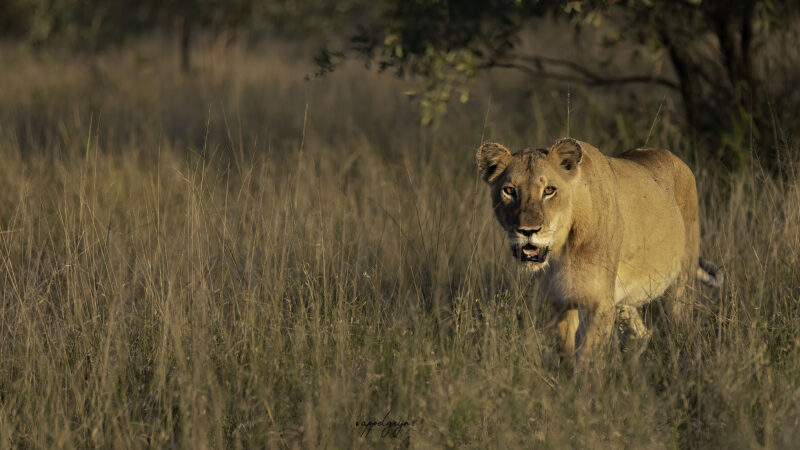
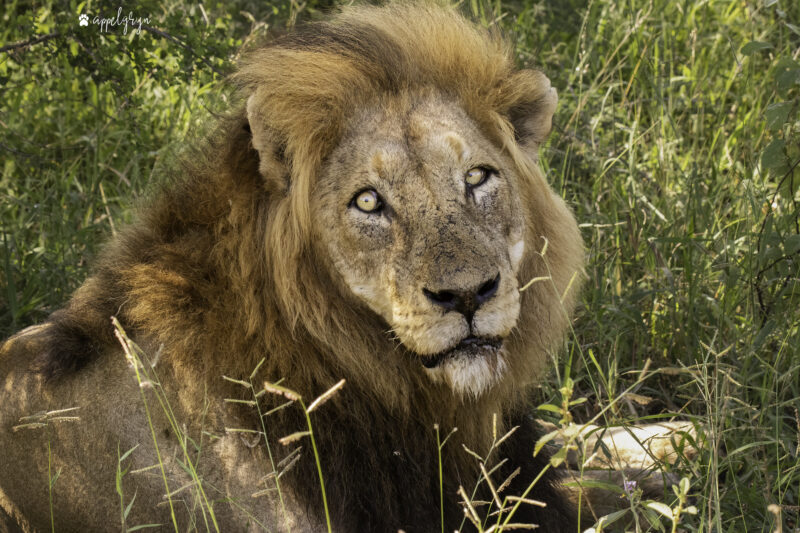
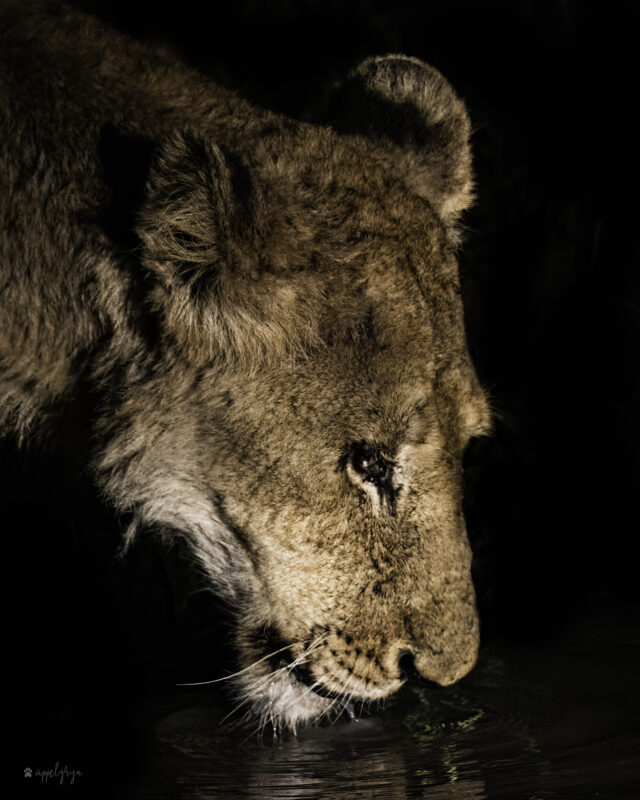
Lions, often referred to as the “King of the Jungle,” are magnificent creatures that command respect and awe. These big cats are not just iconic symbols of strength and courage but they also play a vital role in the ecosystems they inhabit. Here are five interesting facts about lions that showcase their remarkable traits and the challenges they face.
- a Lion’s Roar Can Be Heard Miles Away
One of the most iconic features of lions is their powerful roar. A lion’s roar can be heard from up to 8 kilometers (5 miles) away! This thunderous roar serves multiple purposes, including marking territory, communicating with pride members, and intimidating rivals. It’s a spine-tingling sound that underscores their dominance in the animal kingdom.
- Social Cats with Complex Relationships
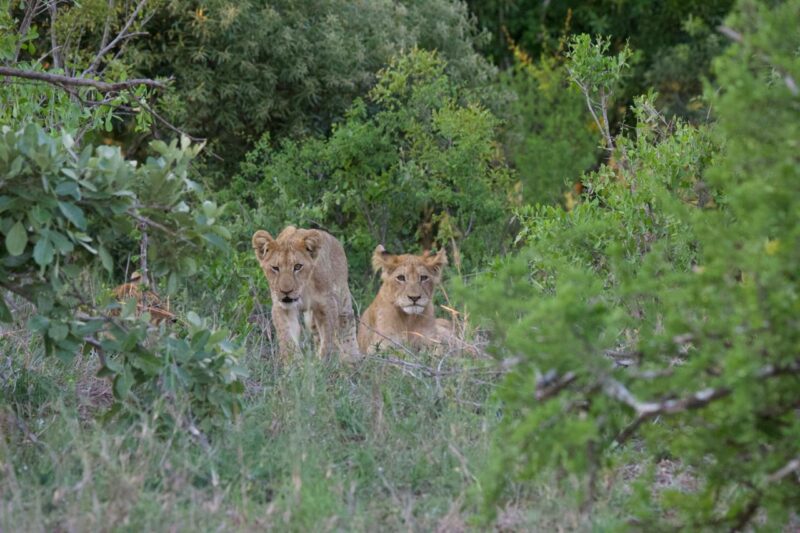
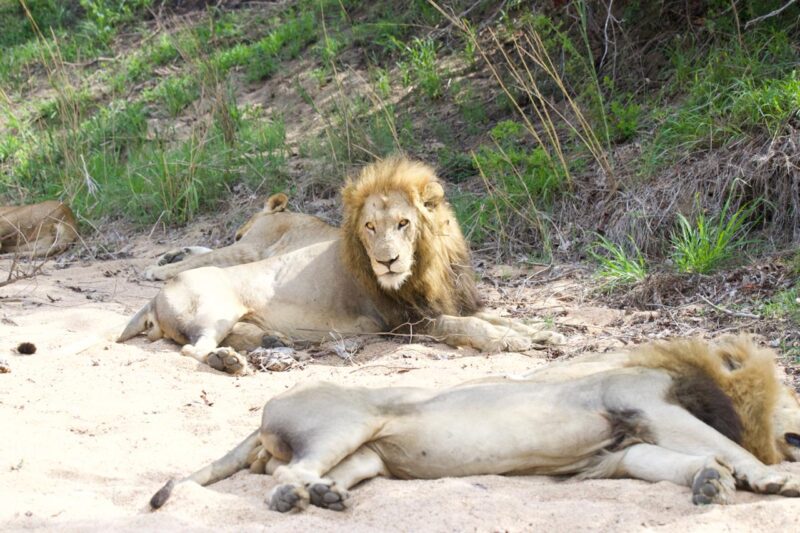
Lions are the most social of all big cats, living in groups called prides. A pride typically consists of related females, their cubs, and a coalition of dominant males. The females work together to hunt and raise their young, while the males defend the pride’s territory. This social structure allows for cooperative hunting and protection, making lions unique among their feline relatives.

- Endangered and Facing Numerous Threats
Sadly, lions are classified as vulnerable on the IUCN Red List, with their population decreasing due to habitat loss, human-wildlife conflict, and poaching. Conservation efforts are crucial to protect these majestic creatures and ensure their survival for future generations. By supporting conservation initiatives and promoting awareness, we can help safeguard the future of lions in the wild. With every trip (custom or tour) that you book through Frame The Wild, a portion goes directly to a conservation fund of your choice that can benefits these cats directly.
- Strong and Agile Hunters
Lions are apex predators with incredible strength and agility. They can run at speeds of up to 50 kilometers per hour (31 miles per hour) in short bursts and leap as far as 12 meters (36 feet). Their powerful muscles and sharp claws make them formidable hunters, capable of stalking and taking down large prey such as zebras, wildebeests, buffaloes and giraffes.
- A Symbol of Strength and Courage in Human Culture
Throughout history, lions have been revered in various cultures as symbols of strength, courage, and nobility. They appear in mythology, art, and heraldry, representing power and prestige. From the majestic Sphinx in ancient Egypt to the regal lion statues guarding palaces and temples, these big cats have left an lasting mark on human culture and our imagination.
Lions are not only awe-inspiring predators but also social animals with intricate relationships and significant roles in their ecosystems. By understanding, appreciating these magnificent creatures and supporting crucial conservation efforts we can contribute to their survival and help ensure that future generations can continue to marvel at the true “King of the Jungle.
Want to see these cats live in their Natural habitat? Join us on our Northern Sabi Sands tour in 2025 and 2026.
More details click here.
Related Posts

Comments (0)